
Attic Insulation Portland, OR
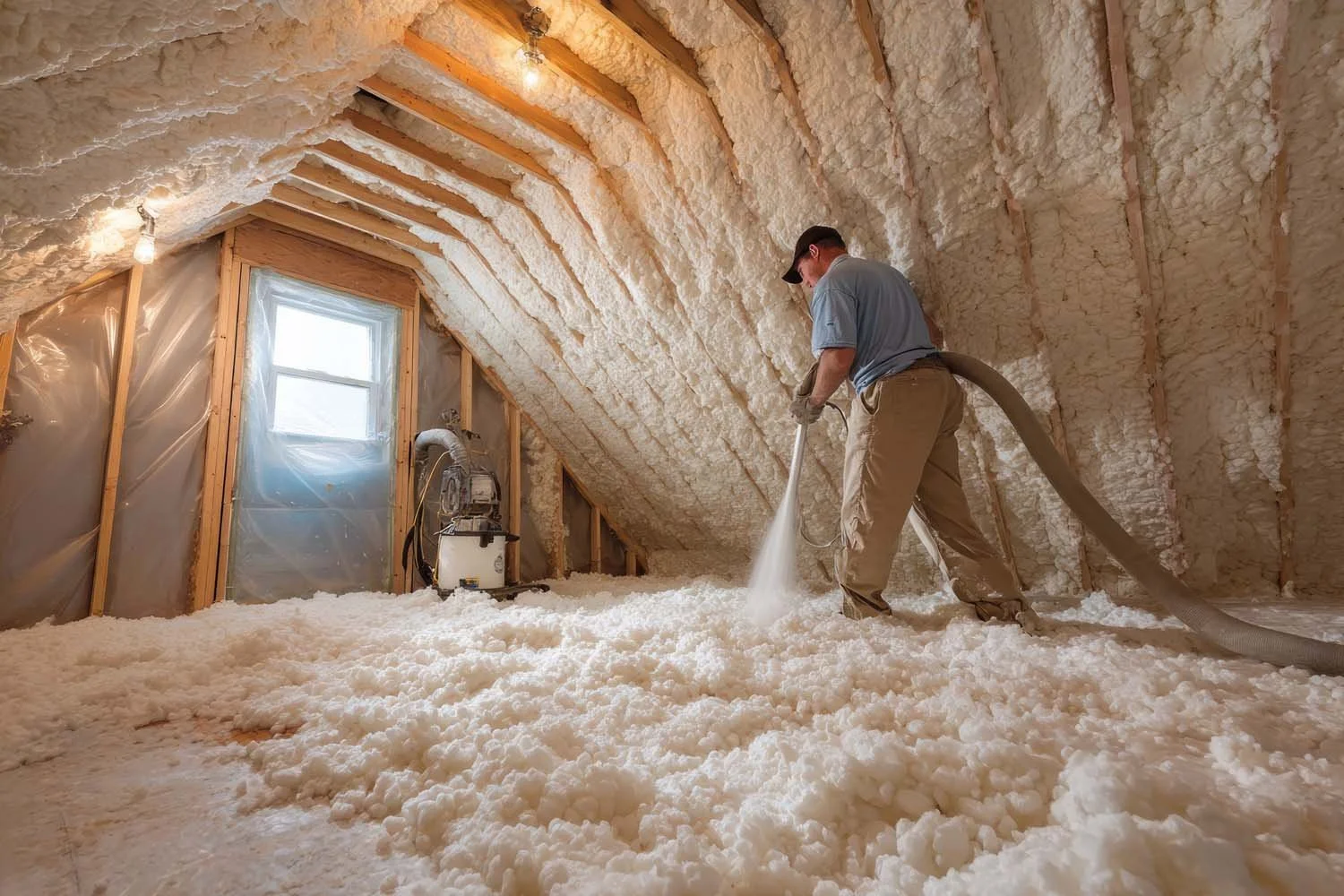
Vale Insulation provides attic insulation for Portland area homes, including new installation, upgrades to existing insulation, and removal and replacement when old material needs to come out first.
Attic Insulation Portland Homeowners Can Trust
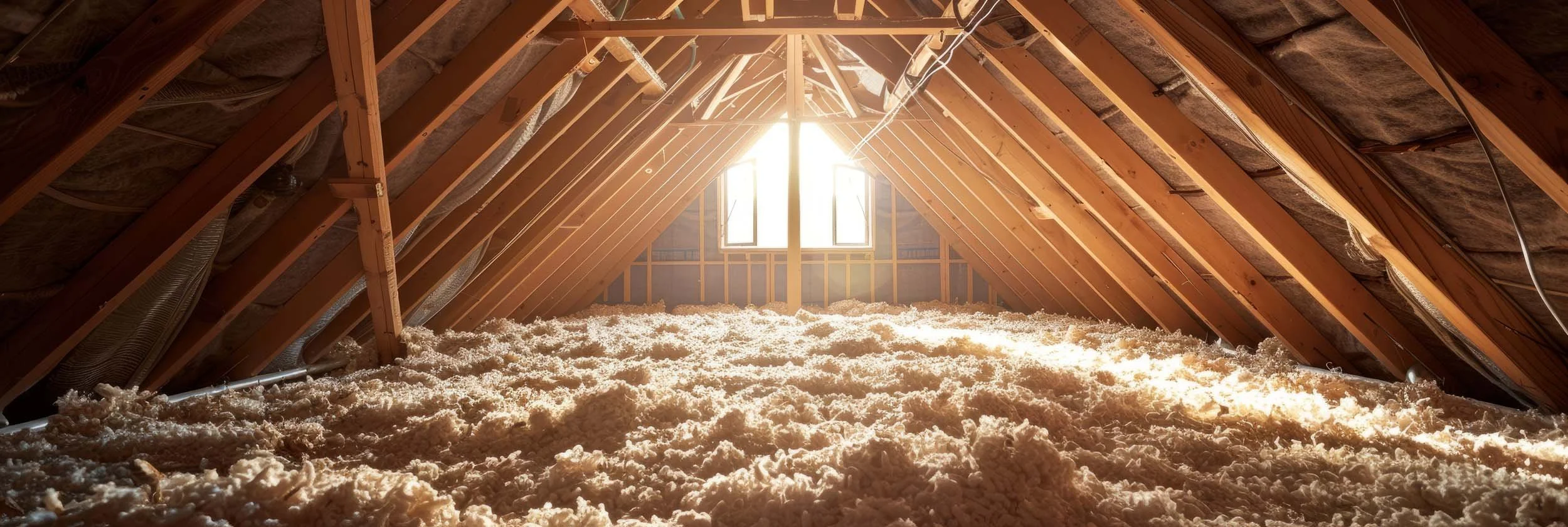
If your upstairs gets uncomfortably hot in summer, your home is hard to heat in winter, or your energy bills feel high for the size of your house, the attic is one of the first places worth looking. It's usually the single biggest opportunity for improving comfort in a Portland home.
We've been insulating homes and buildings across the Portland area for over 20 years, and the attic is where we start most evaluations. It's often the easiest place to find a problem and the most cost-effective place to fix one.
Signs Your Attic May Need Insulation
Upstairs rooms are noticeably hotter or colder than the rest of the house
Your heating or cooling system runs more than it should
Energy bills that feel high for the size of your home
Drafts or rooms that never quite feel even
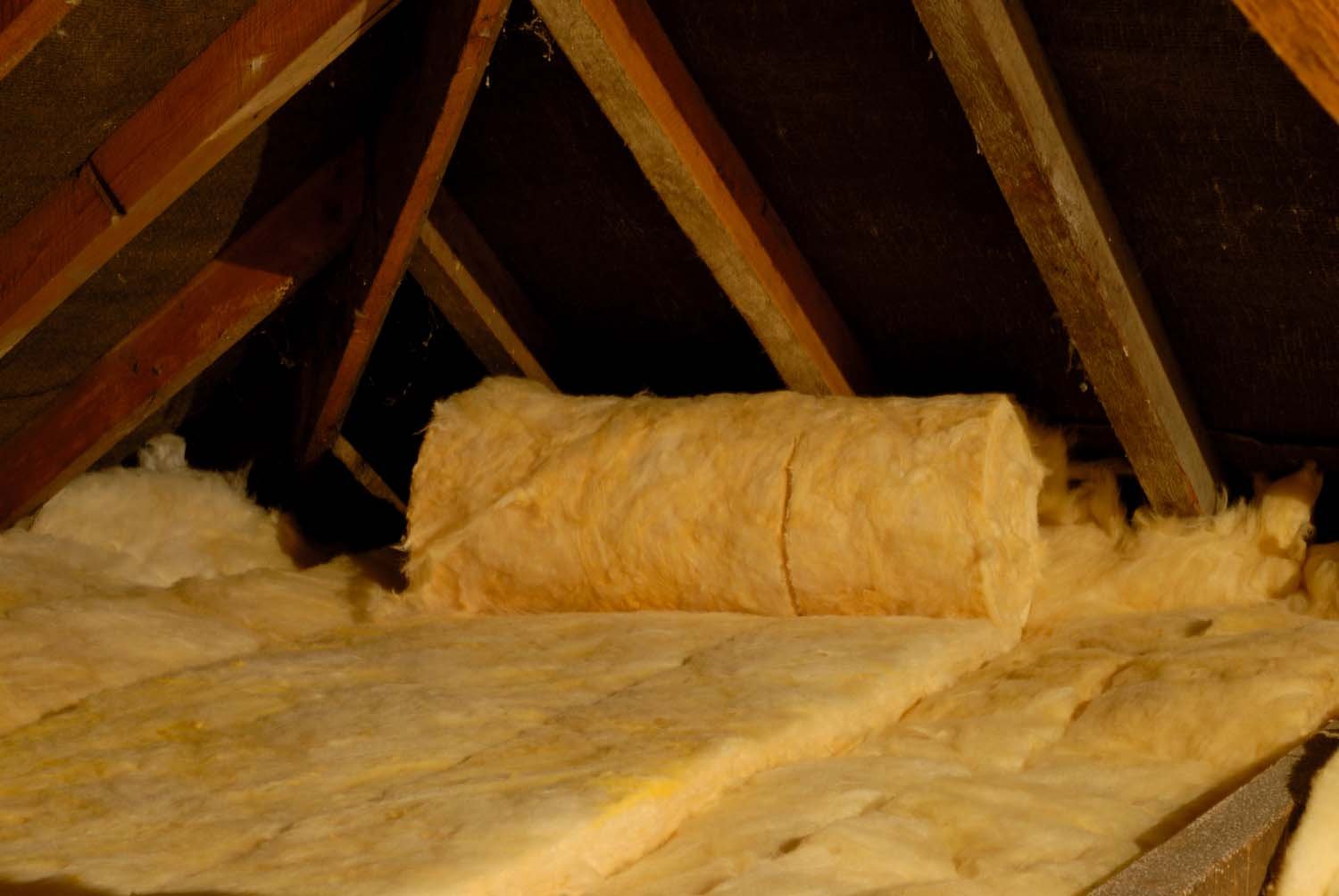
Existing insulation that looks thin, compressed, disturbed, or uneven
Bare spots between the attic framing
Insulation that's been damaged by moisture, pests, or previous work done up there
To be clear, none of these symptoms guarantee that insulation is the only issue. Air sealing, ventilation, and how well your heating and cooling system is running all play a part too. That's why we start with a real evaluation instead of a guess.
What We Check During an Attic Evaluation
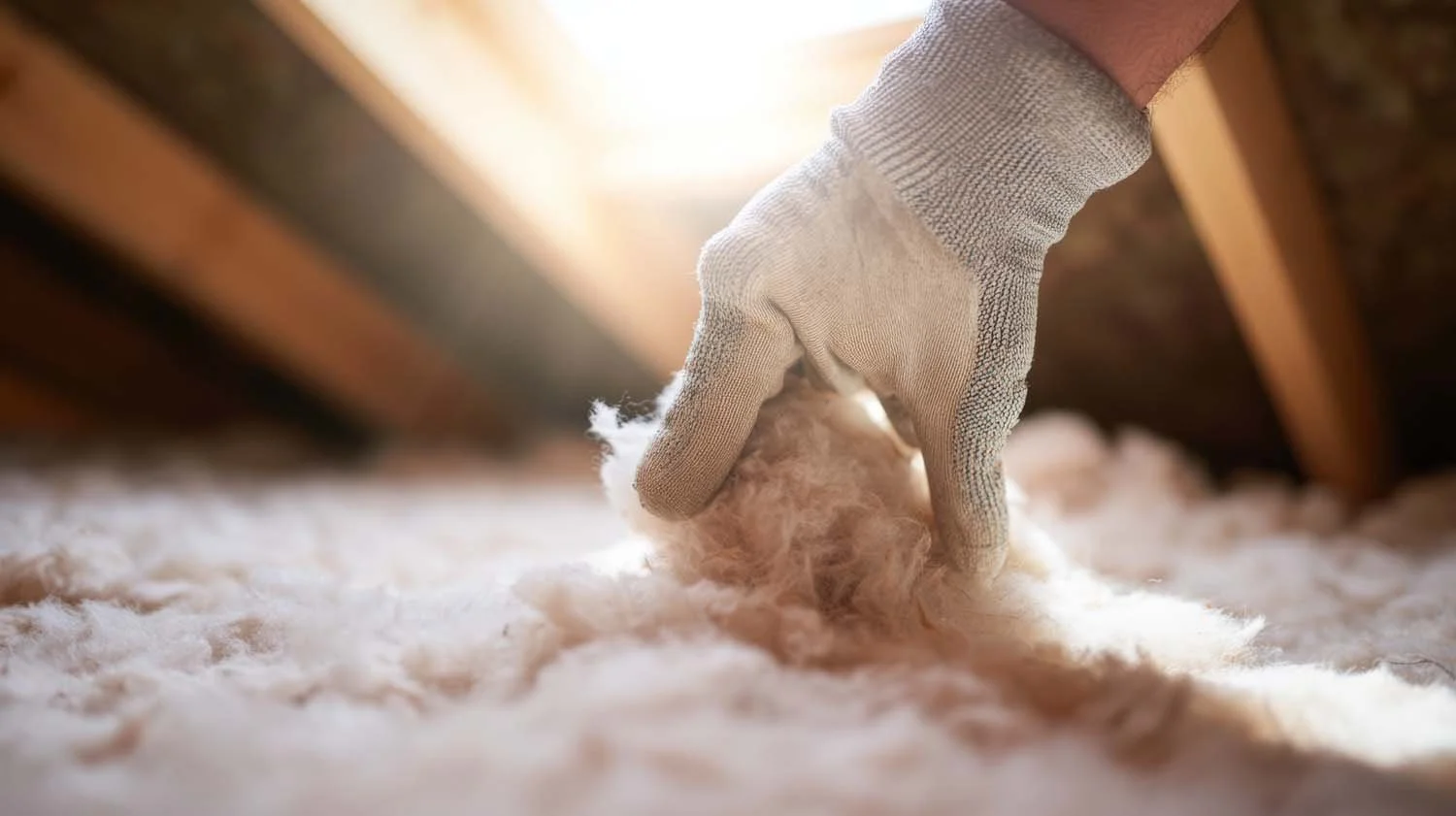
Depth and condition of existing insulation.
We measure it, not eyeball it.
What material is up there and how it's held up.
Some materials settle and compress over time, which quietly lowers performance even if nobody's touched the attic.
Coverage across the whole attic floor.
Gaps and bare spots mean gaps in performance, even if the rest of the attic looks fine.
Whether it was installed correctly the first time.
We regularly find insulation installed backwards or vents blocked off entirely, both of which undo a lot of the benefit.
Wiring in the attic,
Especially older knob-and-tube, which has to stay completely clear of insulation for fire safety.
Signs of moisture or pest activity.
If we find something beyond what we handle, we'll tell you honestly and point you to someone who specializes in it.
Ventilation and airflow at the vents,
Since blocked vents can cause problems even when the insulation itself is fine.
Older Portland Homes and Attic Insulation
In our experience, a lot of Portland homes built before the 1990s only have about 3 to 5 inches of insulation in the attic, somewhere around R-11 to R-13. Current standards call for R-38 or higher, and Energy Trust of Oregon offers rebates for homes sitting at R-18 or below, so a lot of these houses qualify without the homeowner ever realizing it.
Older cellulose insulation is part of the story. It was common in attics built in the 70s and 80s, and it tends to settle and compress over time, sometimes losing more than half its original depth. We also regularly run into homes with active knob-and-tube wiring still in the attic. That wiring wasn't designed to have insulation on top of it, and doing so is a real fire hazard, which is why it has to be inspected or decommissioned before we can insulate over it.

How Attic Insulation Affects Comfort and Energy Bills
Think of your home's insulation as an envelope wrapped around the whole house. Heat naturally moves from warmer to cooler, so in winter it's trying to escape through the attic, and in summer it's trying to work its way in. Without enough resistance up there, your furnace or AC ends up running far longer than it should just to hold a temperature you'd otherwise maintain with a fraction of the effort. Properly insulating the attic is one of the most direct ways to make a home more comfortable and bring energy bills back down to where they should be.
Choosing the Right Attic Insulation
There isn't one insulation material that's best for every attic. We consider the existing construction, the condition and depth of what's already there, ventilation, and what you're trying to accomplish before recommending anything.
Fiberglass
The most common choice for attics today, and a reliable, cost-effective option for topping up or replacing what's there.
Cellulose
A solid, budget-friendly option, though it's worth knowing it can settle over time, which is part of why so many older attics are under-insulated.
Spray foam
Less often used for a whole attic floor, spray foam has its place for sealing specific problem areas.
Do You Need to Remove Old Attic Insulation First?
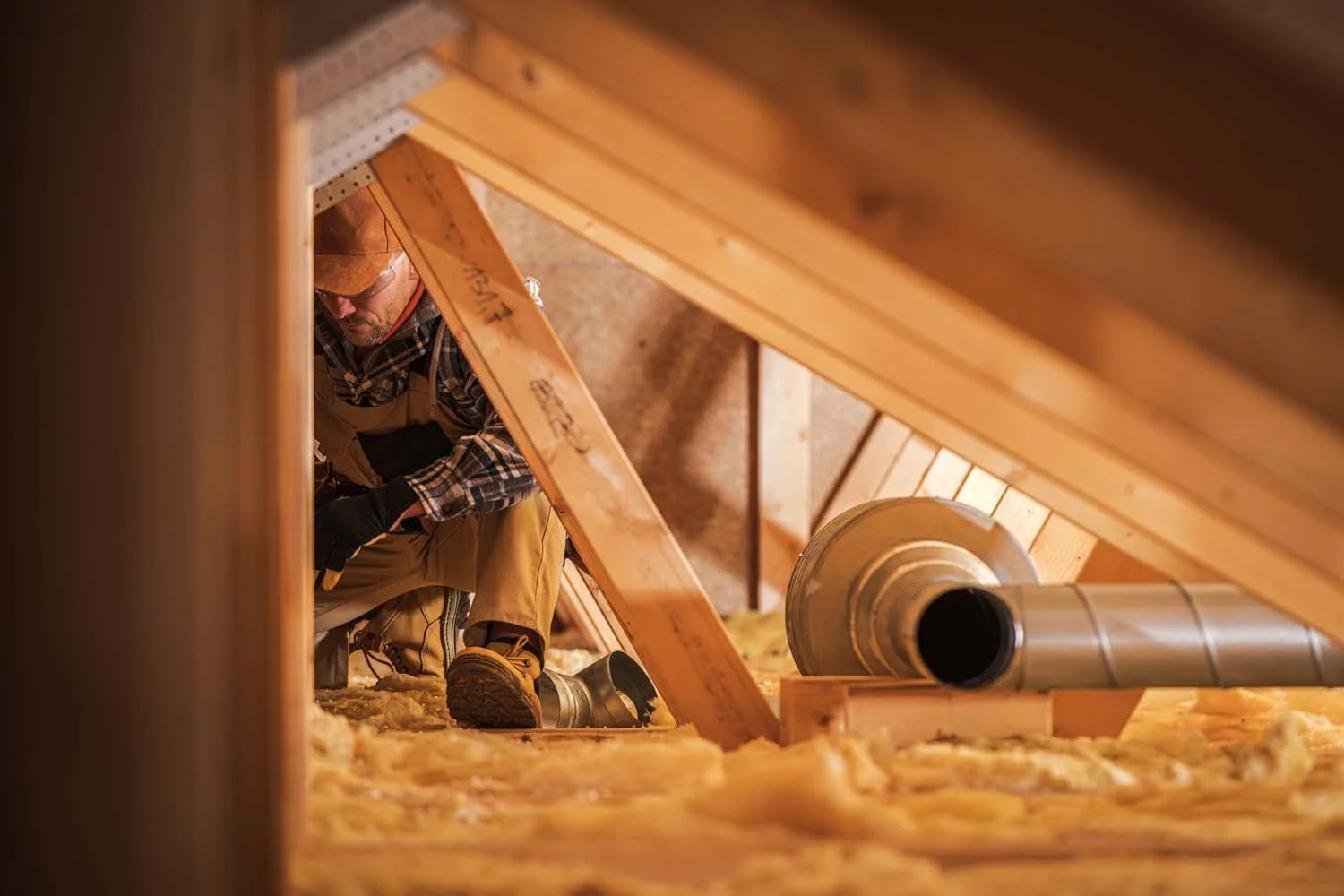
Sometimes yes, sometimes no. We typically recommend removal when:
There's water damage
There's evidence of pest contamination
The insulation is severely degraded or compressed
Electrical work (like knob-and-tube remediation) requires the attic floor to be cleared first
We need full access to the attic floor to air seal it properly
If your existing insulation is in reasonably good shape and just needs a boost, adding new material on top is often the more practical and affordable option. We'll tell you honestly which situation you're in.
Why Work With Vale?
1 Year Warranty
20+ years of experience across residential and commercial insulation
Union crews and journeyman level installers
We inspect our own work, not just sign off on it
Energy Trust Ally, so we can help guide you through available incentives
Frequently Asked Questions
How much attic insulation do I need?
01
It depends on what's already up there. If you can still see the wood framing when you look across your attic floor, you're likely sitting around 3 to 5 inches, which isn't enough by today's standards. We measure your actual depth and material during the evaluation and tell you exactly where you stand.
What R-value should attic insulation be in Portland, Oregon?
02
Energy Trust of Oregon's standard for single-family homes is R-38, and homes at R-18 or below typically qualify for a rebate when brought up to that level. That's the baseline we work from, though depending on your attic and your goals, going higher (R-49 to R-60) can make sense for maximum performance. We'll walk you through what's right for your home.