
Crawl Space Insulation Contractor in Portland, OR
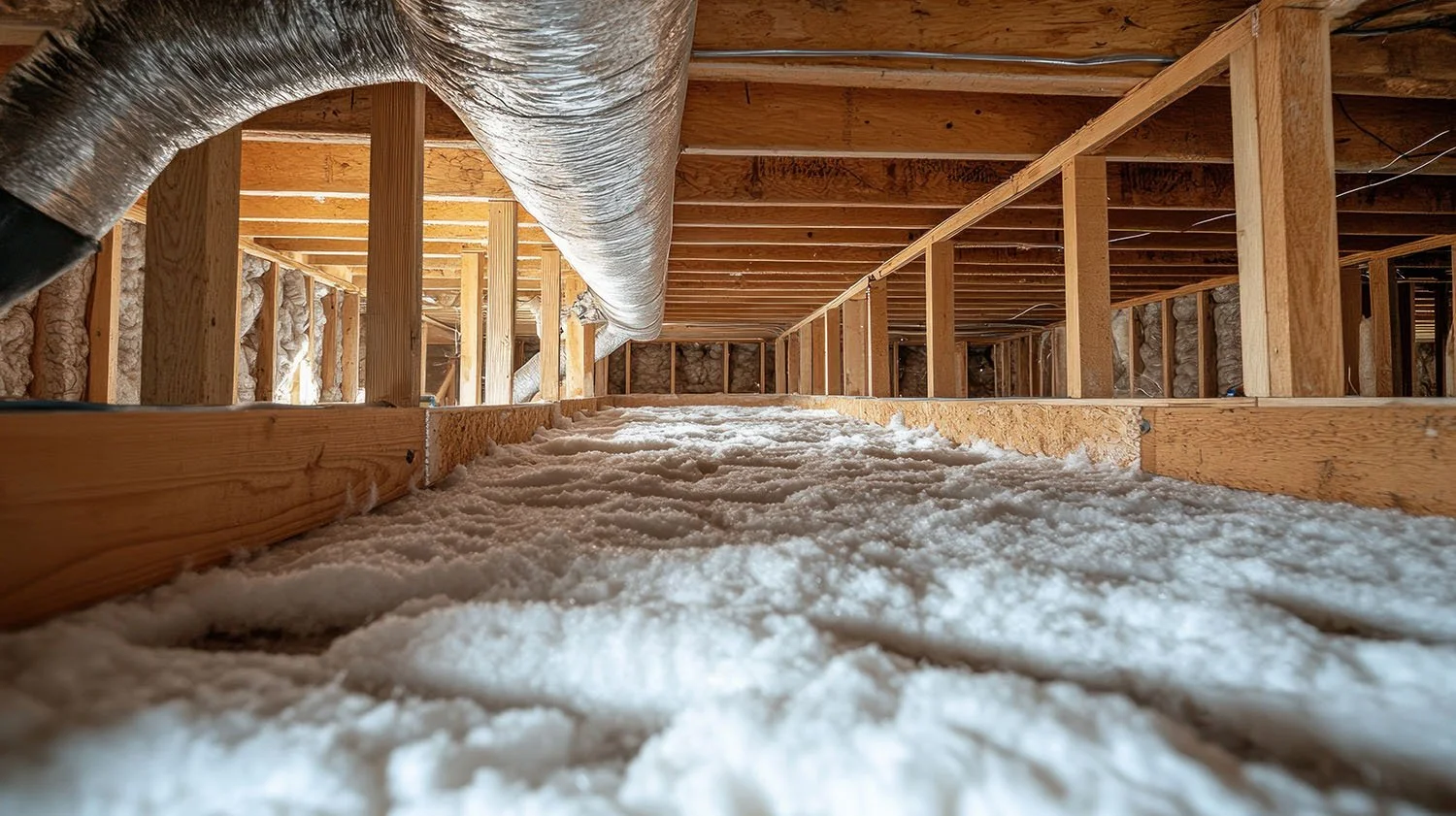
Vale Insulation is a crawl space insulation contractor serving homes across the greater Portland area, from new installation to removal and replacement of old, damaged material. Crawl spaces are easy to forget about since nobody spends much time down there, but they have a bigger effect on comfort and energy bills than most homeowners realize. A cold floor, musty smell, or a heating system that never quite catches up often traces back to what's (or isn't) happening under the house.
The Crawl Space Insulation
Contractor Portland Homeowners Trust
We've been insulating homes and buildings across the Portland area for over 20 years, and crawl spaces are one of the areas we get called out to most often. It's a part of the house that's easy to overlook until something forces the issue, whether that's cold floors, a musty smell, or a home inspection that flags it before a sale.
Signs Your Crawl Space May Need Insulation
Floors that feel cold, even when the heat's been running for a while
Rooms directly above the crawl space that never seem to warm up
A musty or damp smell coming up through the floor
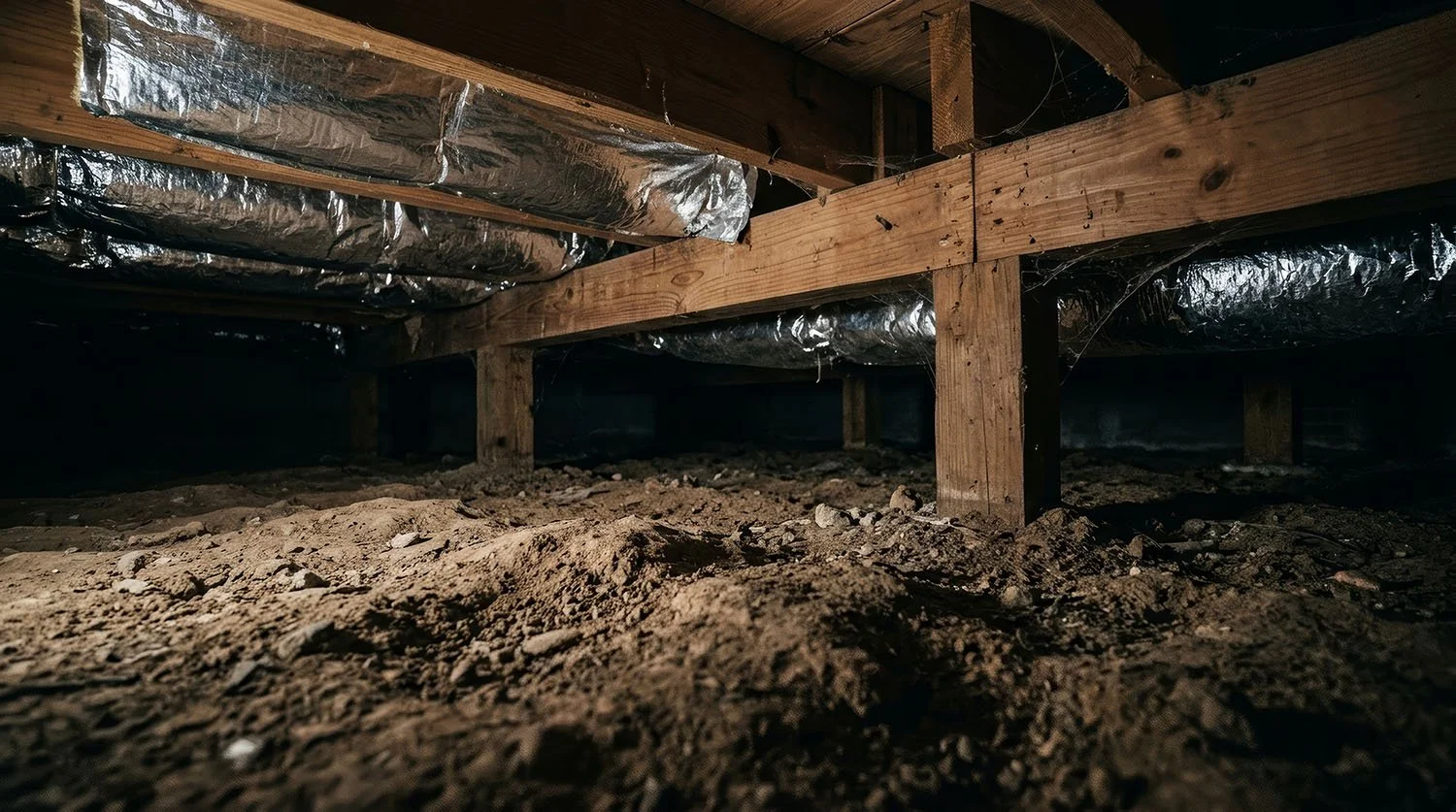
Visible moisture, standing water, or a missing/damaged vapor barrier
Insulation that's sagging, falling down, or missing between the joists
Signs of pest or rodent activity underneath the house
Pipes that have frozen or come close to it in past winters
Higher than expected heating bills for the size of your home
None of these symptoms guarantee that insulation alone is the fix. Moisture control, ventilation, and the condition of the vapor barrier all play a part too. That's why we start with a real evaluation instead of a guess.
What We Check During a Crawl Space Evaluation
Depth and condition of existing insulation,
Where there is any. A lot of older homes have little to none.
Whether insulation is sagging, has fallen off the joists, or was installed with the paper facing the wrong direction, which is a lot more common than people expect.
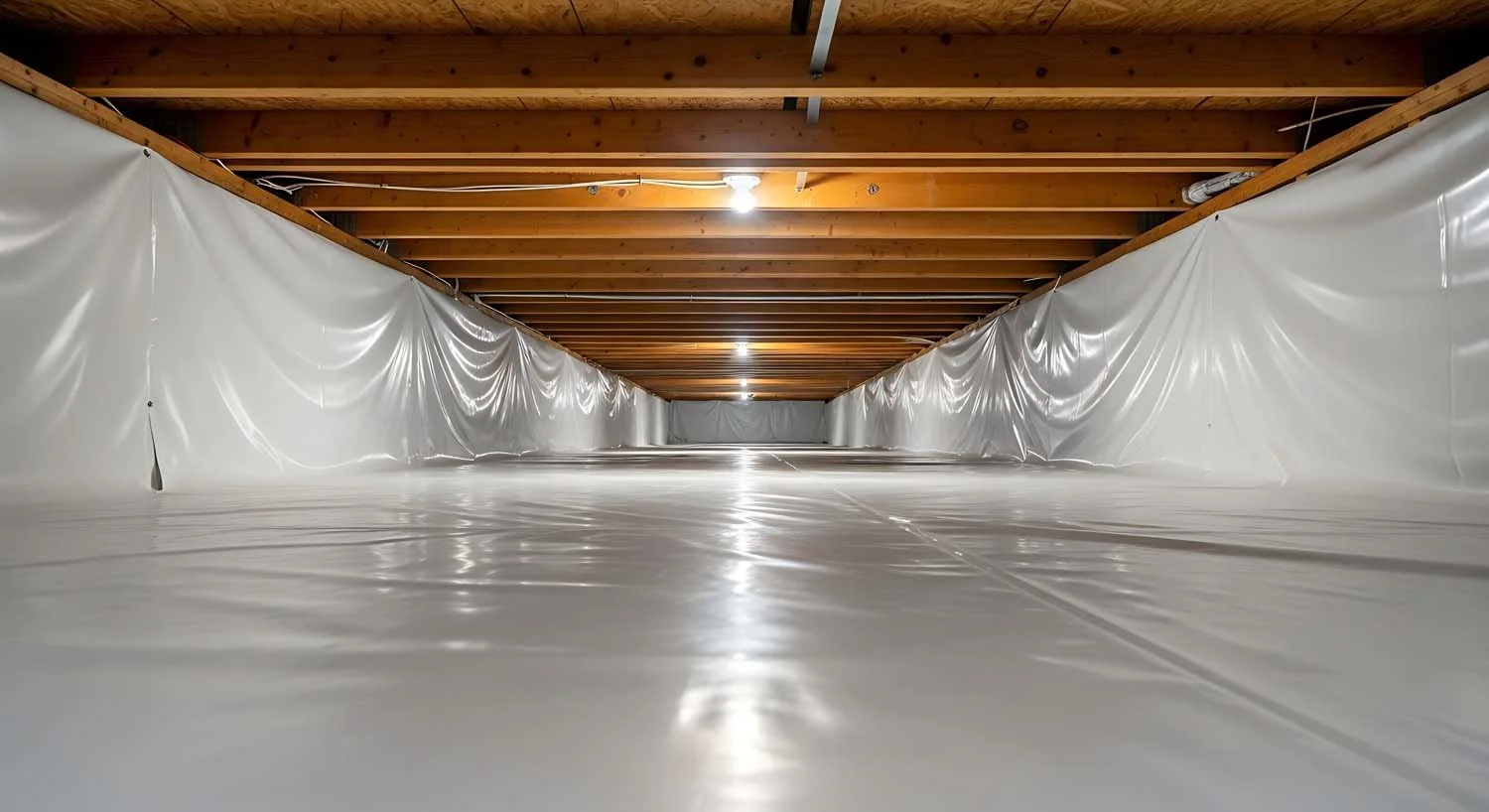
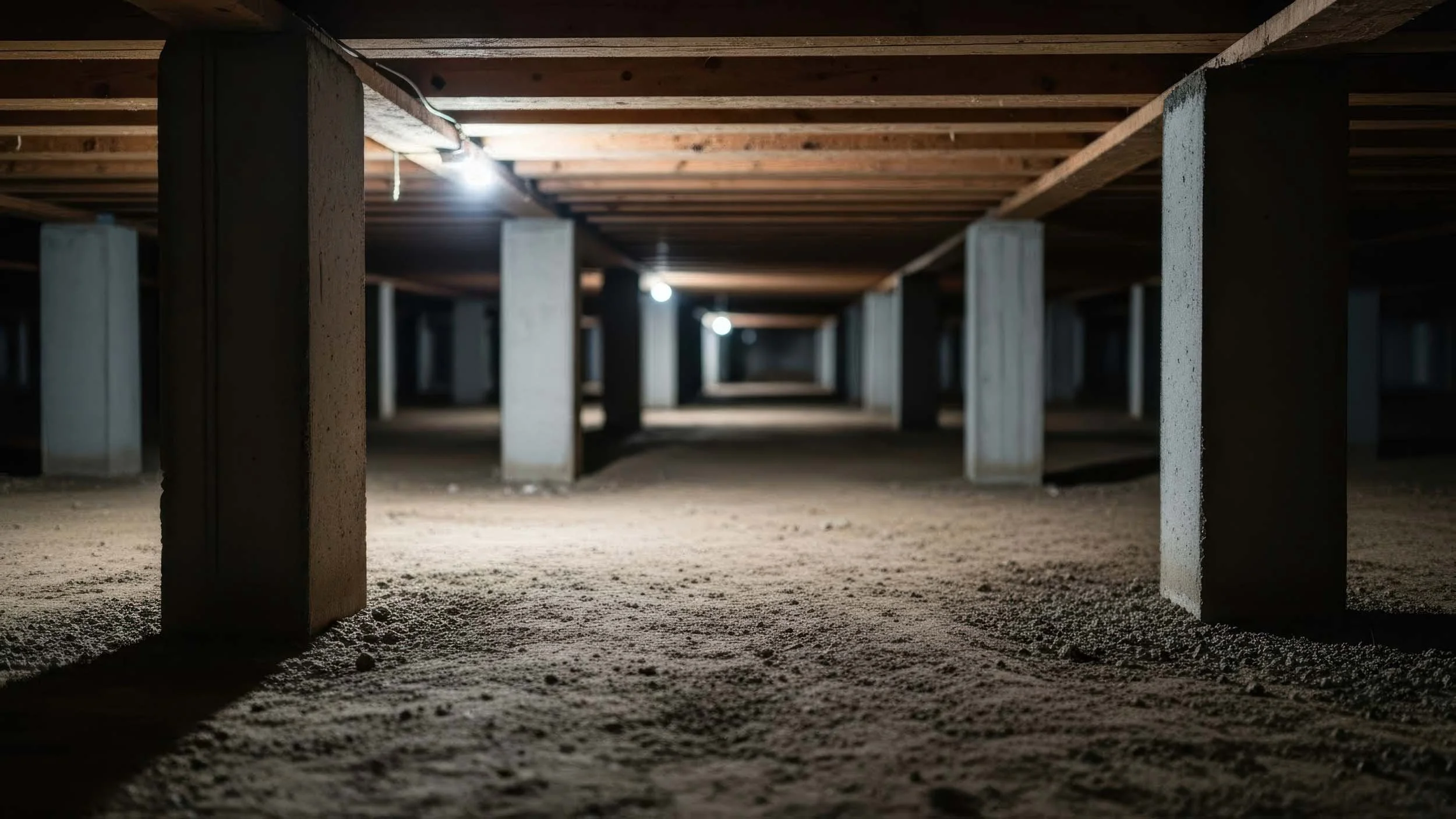
Condition of the vapor barrier, or whether one exists at all. Bare dirt under a house is a moisture problem waiting to happen.
Signs of standing water, chronic dampness, or past water intrusion.
Signs of pest or rodent activity, since crawl spaces are one of the most common entry points into a house.
Ductwork running through the crawl space and whether it's properly insulated and sealed.
Ventilation and airflow, since a crawl space that's too sealed or too open can both cause problems depending on the setup.
General code compliance for the space, especially in older homes that haven't been touched since they were built.
Older Portland Homes and Crawl Space Insulation
Crawl space insulation requirements have climbed steadily in the Portland area over the past few decades, moving from around R-11 up through R-19, R-25, and R-30, with current standards now calling for R-38 in new work. A lot of homes built before those updates are still sitting well below that, and most homeowners have no idea until someone actually gets under the house and measures it.
Portland's wet winters make this even more important.
Crawl spaces here deal with more moisture than most parts of the country, and insulation that gets wet stops doing its job, sometimes without any obvious sign from inside the house. We've insulated crawl spaces under everything from single family homes to larger apartment buildings, and it's consistently one of the fastest ways to change how a space actually feels to live in. On one apartment project, tenants who'd avoided spending time at home in the winter because it never felt warm enough told us the difference was so noticeable after we insulated the crawl space that they had to turn their thermostats down. That's the kind of change proper crawl space insulation can make.
How Crawl Space Insulation Affects Comfort and Energy Bills
Think of your home's insulation as an envelope wrapped around the whole house, floor included. Heat naturally moves from warmer to cooler, so in winter, warmth from inside your home is pulled down and out through an uninsulated crawl space, and cold air pushes up into your floors. Your furnace ends up working overtime just to hold a temperature you'd otherwise maintain with a lot less effort. Insulating the crawl space, and making sure moisture isn't undoing that work, is one of the more direct ways to make a home feel more comfortable and bring energy bills back in line.
Choosing the Right Crawl Space Insulation
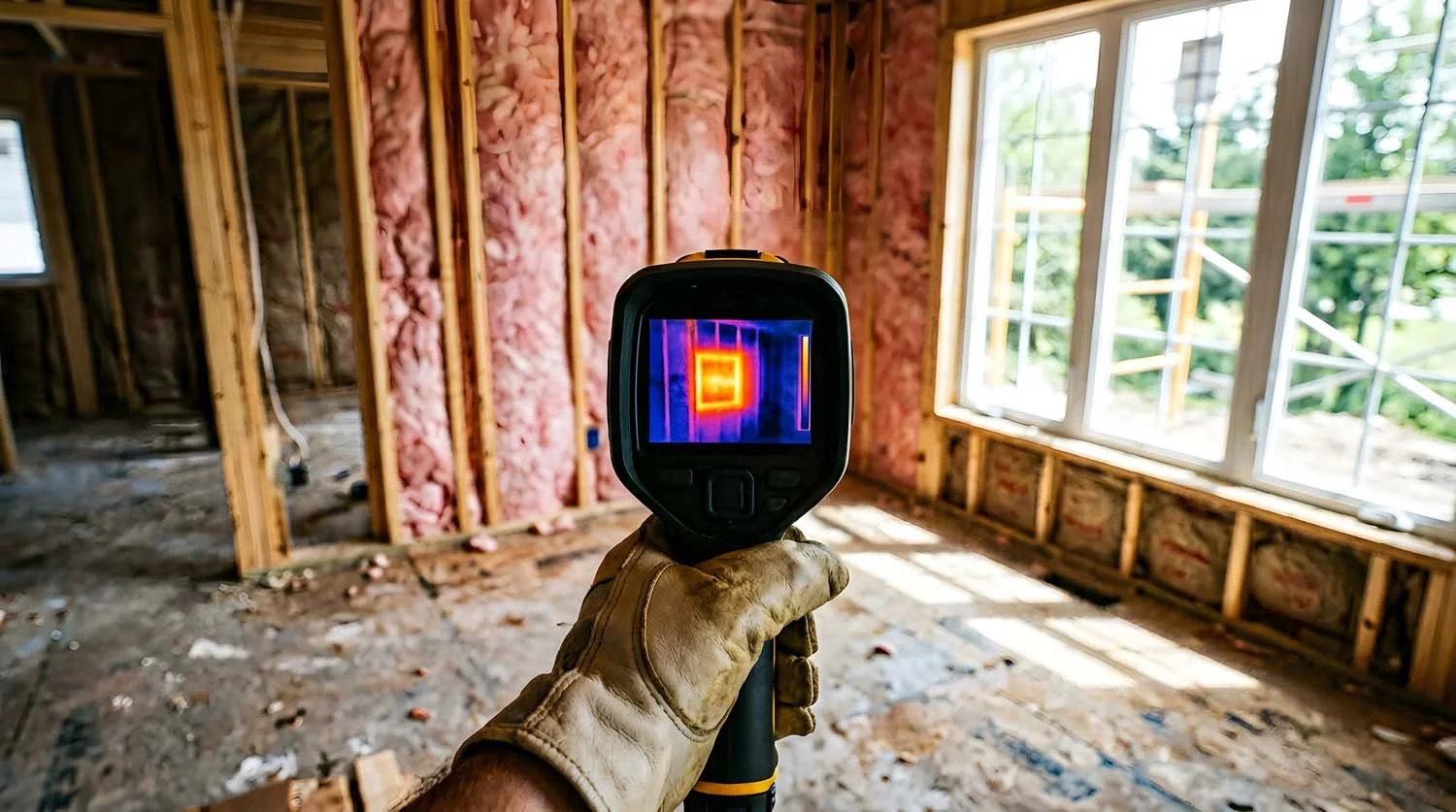
There isn't one right answer for every crawl space. We look at ventilation, moisture levels, ductwork, and what condition things are already in before recommending anything.
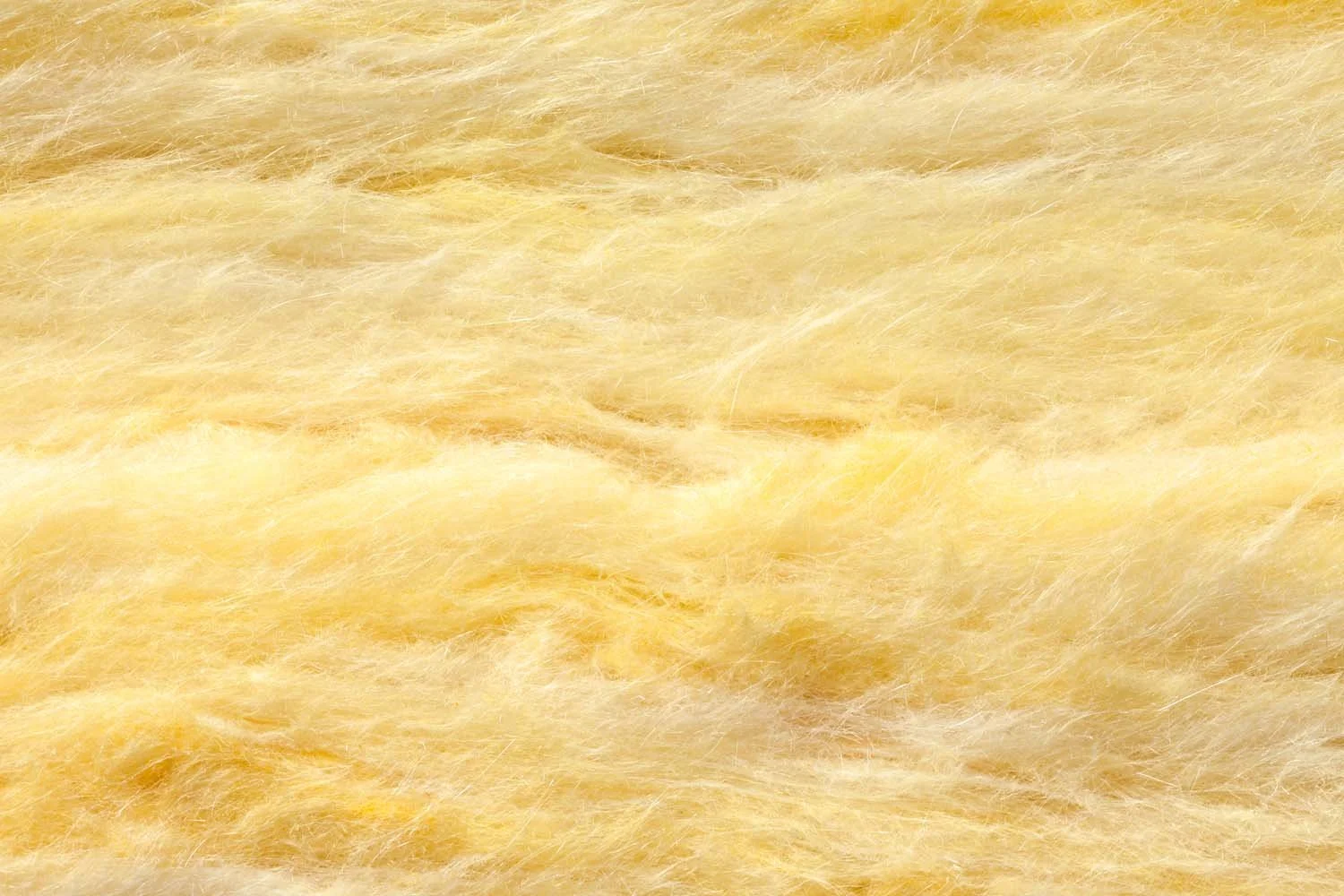
Fiberglass Batts
The standard choice for vented crawl spaces in good condition, fitted between the floor joists. Cost-effective and reliable when the space stays reasonably dry.
Closed cell spray foam
Holds up better in damp conditions and is often used in encapsulated or sealed crawl spaces, since it resists moisture and helps air seal the space at the same time.
Moisture barrier
If a crawl space has a consistent moisture problem, that needs to be dealt with before insulation goes in, or it won't hold up. We'll flag that during your evaluation and talk through the right next step.
Do You Need to Remove Old Crawl Space Insulation First?
We typically recommend removal when:
There's water damage or the insulation has been sitting in moisture
There's evidence of pest or rodent contamination
Insulation has sagged, fallen off the joists, or is bunched up on the ground
The vapor barrier needs to be replaced and full access to the crawl space is required
Ductwork repairs or replacement mean the space needs to be cleared first
If we find moisture damage or mold beyond what we handle, we'll tell you honestly and point you to someone who specializes in it rather than covering it up with new insulation.
Why Work With Vale?
1 Year Warranty
20+ years of experience across residential and commercial insulation
Union crews and journeyman level installers
We inspect our own work, not just sign off on it
Energy Trust Ally, so we can help guide you through available incentives
Frequently Asked Questions
How much crawl space insulation do I need?
01
It depends on what's already down there, if anything. Older homes are often sitting well below current standards without anyone realizing it. We measure the actual depth, material, and condition during the evaluation and tell you exactly where you stand.
What R-value should crawl space insulation be in Portland, Oregon?
02
Current standards call for R-38 in most Portland area crawl spaces, though the right target depends on your home's construction, ventilation, and whether the space is vented or encapsulated. We'll walk you through what makes sense for your specific home rather than a one-size-fits-all number.